
A well-designed walkway is more than just a path connecting different areas of your property. It’s an essential element of landscaping that enhances curb appeal, improves functionality, and creates a welcoming outdoor environment. Whether you’re updating your front yard, backyard, or garden, investing in professional walkway design and installation can dramatically transform your property.
At Century Oaks Landscaping, we specialize in creating custom walkways that complement your home’s architecture, landscaping, and personal style. In this comprehensive guide, we’ll explore everything you need to know about walkway design and installation—from planning and materials to maintenance tips—so you can make informed decisions for your outdoor space.
Why Walkway Design Matters
Walkways play a crucial role in both functionality and aesthetics. A well-planned walkway:
- Guides Foot Traffic Safely – Properly designed paths prevent soil erosion and protect your lawn or garden.
- Enhances Curb Appeal – Materials, colors, and patterns can dramatically improve the visual appeal of your home.
- Creates Outdoor Flow – Walkways help structure outdoor spaces, guiding visitors to entrances, patios, gardens, or other key areas.
- Increases Property Value – Professionally designed landscaping, including walkways, contributes to higher home appraisal values.
By considering both practical needs and visual appeal, you ensure your walkway serves as a functional and attractive feature of your property.
Planning Your Walkway Design
Before choosing materials or installing a walkway, proper planning is essential. Consider the following steps:
1. Assess the Landscape
Evaluate your yard’s topography, drainage patterns, and existing landscaping. Walkways should follow natural traffic patterns rather than forcing people to take awkward routes.
- Identify high-traffic areas
- Consider slopes, curves, and elevation changes
- Account for existing trees, plants, or features that may influence the path
2. Determine the Purpose
The intended purpose of the walkway affects the design:
- Functional walkways – Paths connecting driveways, garages, or entrances
- Decorative walkways – Curved or meandering paths that enhance gardens or outdoor seating areas
- Combination walkways – Paths that are both practical and visually appealing
3. Choose a Layout
Popular walkway layouts include:
- Straight walkways: Efficient and formal, ideal for front entrances
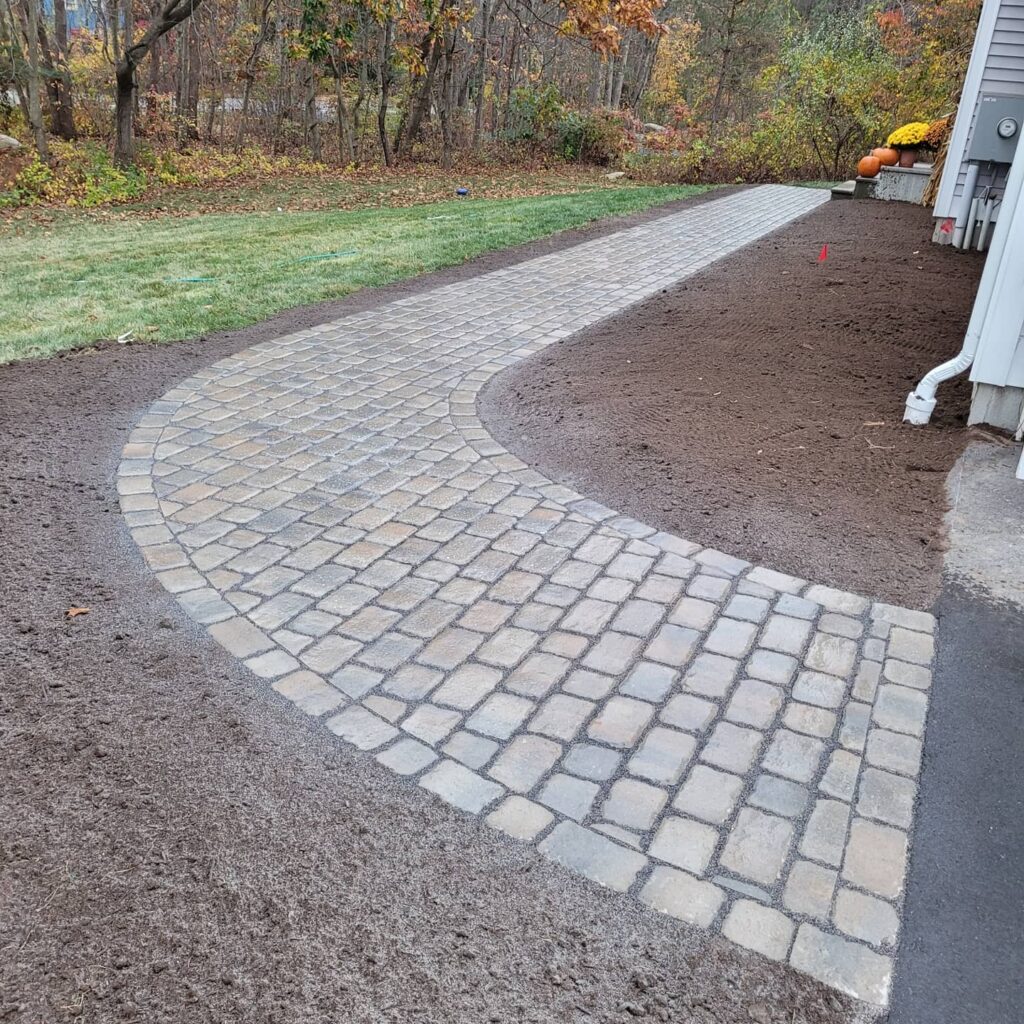
- Curved walkways: Organic and inviting, works well in gardens or natural landscapes
- Stepping stones: Offers a whimsical, casual look for informal paths or garden access
- Multi-level walkways: Incorporates steps or terraces for sloped landscapes
Selecting Walkway Materials
The choice of material dramatically impacts both appearance and durability. Here’s a breakdown of popular options:
Pavers
- Pros: Wide variety of colors, shapes, and textures; easy to repair; visually striking
- Cons: Requires careful installation to prevent shifting; may be more expensive than concrete
Natural Stone
- Pros: Timeless, elegant appearance; durable and weather-resistant
- Cons: Higher cost; may require professional installation for proper leveling
Brick
- Pros: Classic and charming; blends well with traditional architecture
- Cons: Can be slippery when wet; may need periodic sealing
Gravel or Decomposed Stone
- Pros: Affordable, easy to install, allows water drainage
- Cons: Requires regular maintenance; may shift under heavy foot traffic
Design Considerations for Walkways
When designing your walkway, keep in mind:
- Width: Standard residential walkways are 3–4 feet wide; main paths may require 5–6 feet for two people to walk side by side.
- Slope and Drainage: Ensure proper grading to prevent puddles and water damage.
- Lighting: Consider solar or low-voltage lighting to enhance safety and ambiance.
- Borders and Edging: Use stones, bricks, or metal edging to define the walkway and prevent spreading.
- Accessibility: Ensure compliance with ADA guidelines if needed, including gentle slopes and smooth surfaces.
Step-by-Step Walkway Installation
Professional walkway installation ensures durability and visual appeal. Here’s a general process:
1. Site Preparation
- Clear vegetation and debris
- Level the ground and mark the path
- Excavate soil to the proper depth
2. Base Layer
- Lay a compacted base of gravel or crushed stone for stability and drainage
- Compact the base to prevent shifting over time
3. Sand or Mortar Layer
- Add a layer of sand (for pavers or stone) or mortar (for brick or concrete)
- Level carefully to ensure even surfaces
4. Laying Materials
- Place pavers, stones, or bricks in the chosen pattern
- Ensure consistent spacing and alignment
- Cut pieces as needed to fit curves or edges
5. Finishing Touches
- Fill joints with sand, gravel, or polymeric sand
- Compact and sweep the surface
- Apply sealant if desired to enhance durability and color
Enhancing Walkway Design
A walkway can do more than just guide foot traffic—it can be a landscape focal point. Consider these enhancements:
- Plants and Flowers: Line paths with low-growing perennials, shrubs, or decorative grasses
- Lighting: Highlight curves or features with pathway lights
- Decorative Stones: Incorporate pebbles or crushed stone borders for texture
- Water Features: Small fountains or ponds near walkways create a relaxing atmosphere
These touches can elevate your walkway from functional to stunning.
Maintenance Tips for Walkways
Proper maintenance ensures your walkway remains safe and attractive:
- Regular Cleaning: Sweep leaves, dirt, and debris; pressure wash concrete or stone as needed.
- Weed Control: Use polymeric sand or herbicides to prevent weeds in joints.
- Repair Damage: Replace cracked pavers or stones promptly to prevent accidents.
- Seasonal Care: Apply anti-slip treatments in winter; seal materials in fall to protect against moisture.
Benefits of Professional Walkway Installation
Hiring professionals like Century Oaks Landscaping offers several advantages:
- Expert Design: Ensures paths are both functional and aesthetically pleasing
- Durable Construction: Proper base and installation techniques prevent future issues
- Time and Effort Savings: Professional installation is faster and less labor-intensive than DIY
- Long-Term Value: Enhances curb appeal, safety, and property value
Professionals can tailor your walkway to your property’s unique layout, materials, and landscaping style, guaranteeing a beautiful and lasting result.
Trends in Walkway Design
Modern walkway trends emphasize aesthetic appeal, functionality, and sustainability:
- Natural Stone and Organic Shapes: Curved, irregular patterns for a more natural look
- Integrated Lighting: LED or solar lights embedded in walkways for safety and ambiance
- Mixed Materials: Combining stone, brick, and gravel for texture and interest
- Eco-Friendly Options: Permeable pavers and sustainable materials to improve drainage and reduce runoff
By incorporating these trends, your walkway can be both stylish and environmentally conscious.
Walkway Design Ideas for Your Home
Here are some inspiring walkway concepts:
- Front Yard Elegance: A straight brick path lined with boxwoods leading to the front door
- Garden Meander: Curved stone paths weaving through flower beds for a whimsical feel
- Backyard Patio Connection: Paver walkways linking patios, fire pits, and outdoor kitchens
- Woodland Path: Gravel path surrounded by natural foliage for a rustic, serene look
These ideas can be customized to suit your home’s architecture, landscaping, and personal style.
Why Choose Century Oaks Landscaping
At Century Oaks Landscaping, we specialize in custom walkway design and installation for homes throughout Connecticut. Our team provides:
- Personalized consultations to understand your goals
- Expert design recommendations and material options
- Professional installation ensuring long-lasting durability
- Guidance on maintenance to keep your walkway looking beautiful
We pride ourselves on creating walkways that enhance your outdoor space, complement your home, and provide lasting value.
Conclusion
Walkway design and installation is a key component of any landscaping project. A well-planned path not only guides foot traffic safely but also enhances the beauty and functionality of your outdoor space. By selecting the right materials, layout, and design elements, and by working with professional landscapers like Century Oaks Landscaping, you can create a walkway that is both practical and visually stunning.
Investing in professional walkway design and installation adds curb appeal, safety, and long-term value, transforming your property into a welcoming and enjoyable outdoor environment.
Contact Us
Ready to enhance your outdoor space with a custom walkway? Contact Century Oaks Landscaping today to schedule a consultation and start planning your perfect walkway.